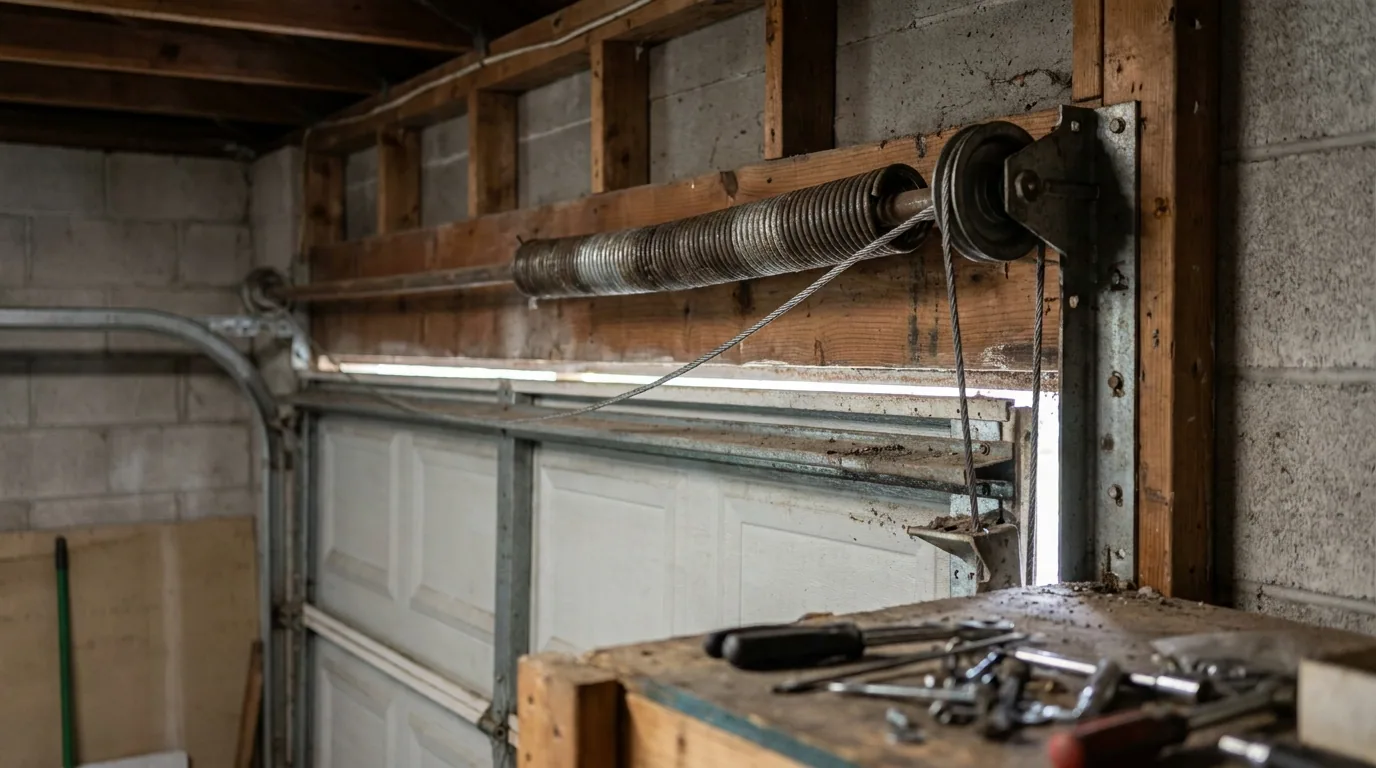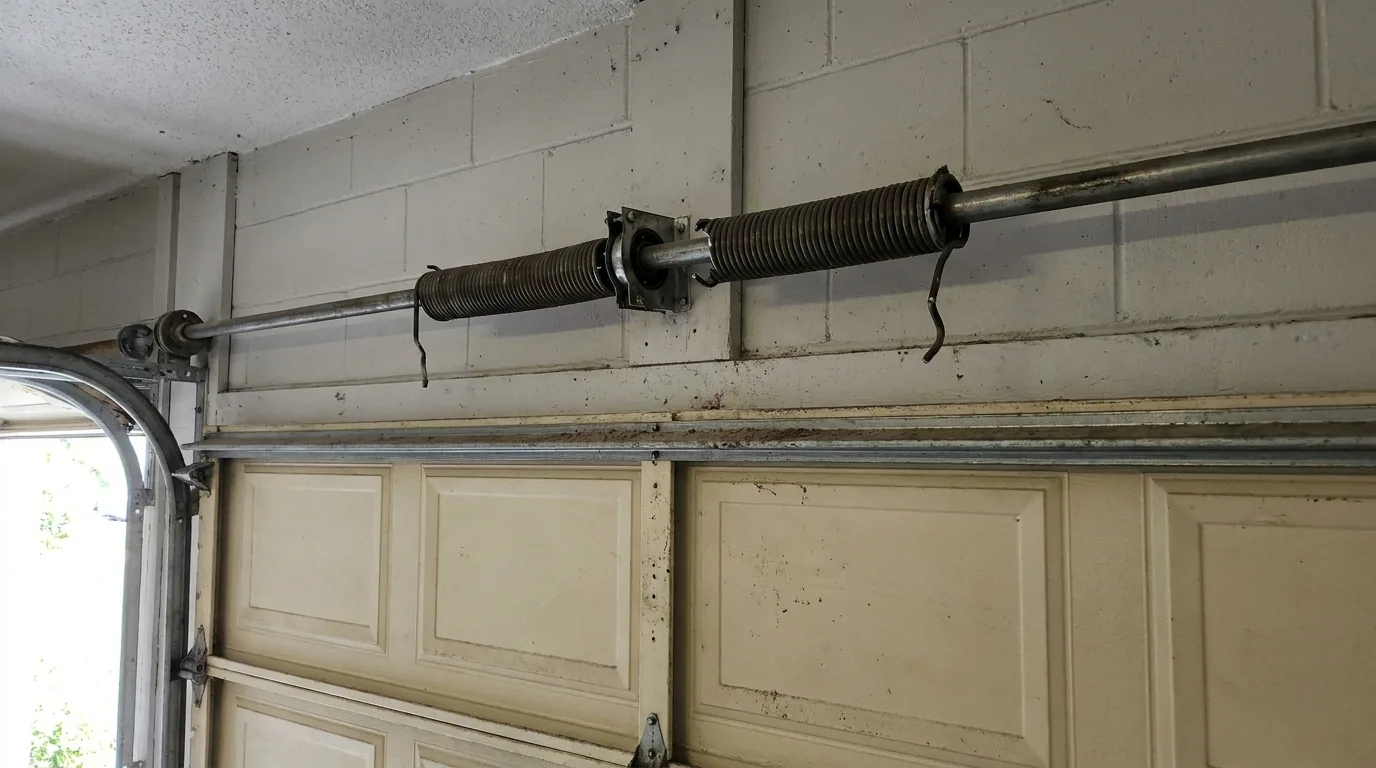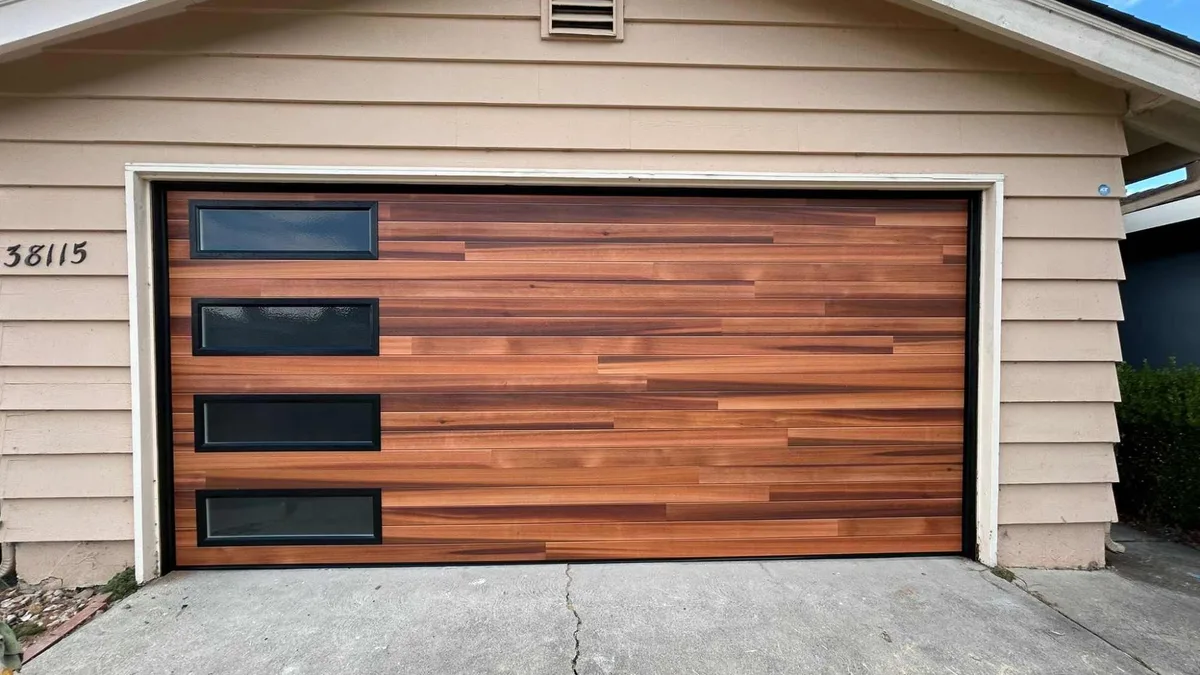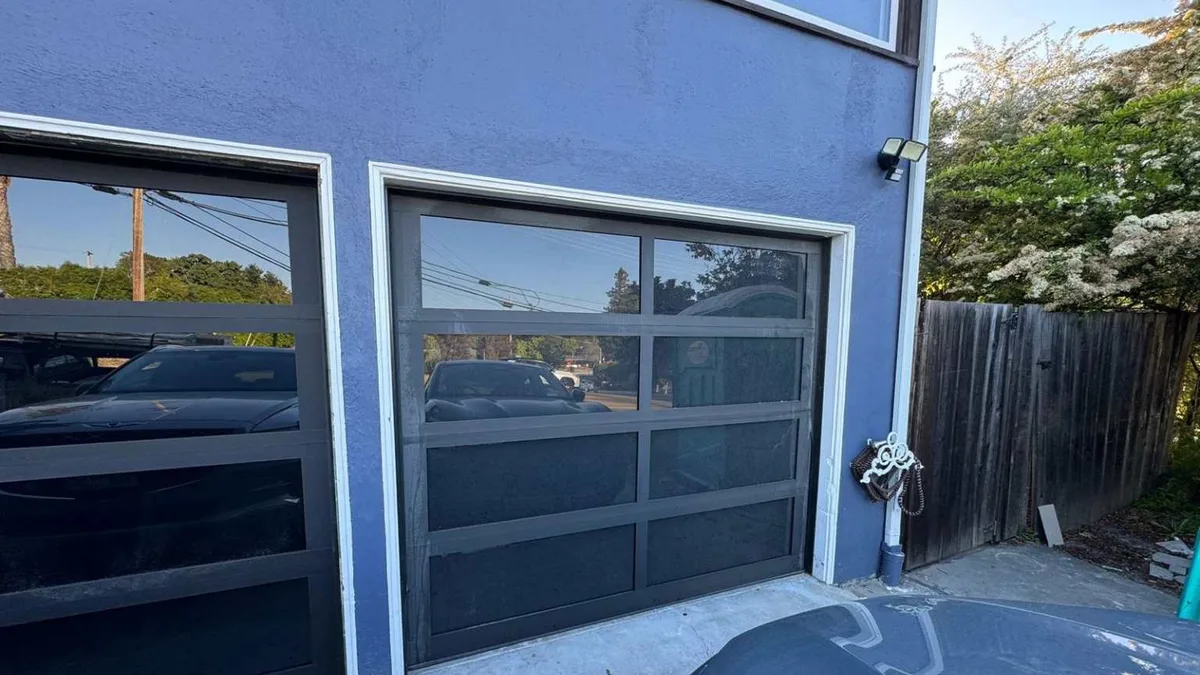
A commercial overhead door and the one on your house are built around the same idea, but they live very different lives. A home door might run four times a day. A door on a loading dock, a service bay, or a storage unit can run dozens of times before lunch, and it is usually the thing standing between a business and its workday. That difference in use changes what maintenance should look like, what fails first, and how much a small problem costs when it is ignored. This guide is written for owners and property managers in Broward County who want to understand what preventive maintenance on a commercial door actually involves, and for homeowners reading along because the same principles apply to the door on their own garage. Springs, cables, and the opener drive train stay with a technician; what follows is about scheduling, observation, and understanding what the technician is checking.
Why a business door has different failure priorities
On a residential door, the priorities are usually safety and quiet operation. The door runs a few times a day, the family is inside the house, and a failure is inconvenient but rarely shuts anything down. On a commercial door, the priority order shifts. Uptime moves to the top, because a door that will not open stops deliveries, blocks a bay, or closes a business for the day. Safety moves up alongside it, because the people using the door are often employees, delivery drivers, and customers who did not grow up with that particular door and do not know its quirks.
That shift in priorities changes what maintenance is for. On a home door, maintenance is largely about catching wear before it becomes a repair. On a commercial door, maintenance is about predicting which part will fail first under heavy use and replacing it on a schedule rather than waiting for it to fail at a bad moment. A roller that is starting to flat-spot is a minor annoyance at home. On a door that cycles fifty times a day, that same roller is a noise complaint, a vibration that loosens fasteners, and eventually a stuck door.
The practical consequence is that commercial maintenance is more about inspection frequency and record-keeping than about any single adjustment. The technician wants to know how many times the door runs, what it carries, and what has already been replaced. That history is what makes the next visit efficient.
Cycle counts: the number that sets the schedule
A cycle is one full open and one full close. Every spring, roller, hinge, and bearing on the door has a service life measured in cycles, not in years, and the difference between a home and a business is mostly a difference in how fast those cycles accumulate. A residential door might see a few thousand cycles in a year. A busy commercial door can see that in a month or two.
This is why the calendar is a poor guide for commercial maintenance. A door that was serviced last spring may have run ten thousand times since then, or a few hundred, and the two situations call for different attention. If your building has more than one door, it is worth keeping a simple log for each one: the date of the last service, any repairs, and a rough count of how often the door runs on a normal day. You do not need an exact figure. A rough multiplier, such as knowing that the receiving door runs constantly during delivery hours while the employee entrance runs a few dozen times a day, is enough to help a technician set the right interval.
Some commercial operators track cycles internally and can report them. If yours does, that number is worth writing down. If it does not, the log is still useful, because it captures the pattern of use that a cycle count would otherwise tell you.
What gets replaced on a cycle-based schedule
Rollers, hinges, bearings, and the springs are the parts most often replaced on a schedule rather than on failure. The technician inspects them, compares their condition to the expected life for the door's cycle count, and recommends replacement before the part fails. This is the core of preventive maintenance on a commercial door: not fixing what is broken, but replacing what is close to the end of its service life while the door is still working and the building is still open.
Safety devices need their own routine
Safety devices on a commercial door are checked separately from the door's mechanical parts, and they should be checked more often than the rest of the system. The two most common are the photo-eye, which is a pair of sensors mounted at the floor on either side of the opening, and the sensing edge, which is a strip along the bottom of the door itself.
The photo-eye has one job, and it is specific: it reverses a door that is closing when something breaks the beam between the two sensors. It has no role in a door that will not start, a door that opens a little and then reverses, or a door that stops short of the floor. Those are travel-limit or force-setting problems, and they are diagnosed differently. A blocked or misaligned photo-eye produces a door that closes partway and then goes back up, and only while it is closing.
Because the photo-eye sits near the floor, it is vulnerable to the things that end up near the floor of a busy building: pallets set down in the beam, a mop bucket, a parked forklift, debris, and the occasional knock that misaligns one sensor. A daily visual check that nothing is sitting in front of the sensors, and that neither has been bumped out of position, catches most of these before they become a stuck door at the end of the day. The technician checks the alignment and the wiring during service.
The sensing edge is a pressure-sensitive strip. If it contacts an object or a person while the door is closing, it signals the operator to reverse. It is checked by a technician, because testing it involves the door's closing travel and the operator's response, and that is not something to improvise. What an owner can do is watch the edge for physical damage, such as a torn cover or a section that looks crushed, and report it. A damaged edge may not respond correctly, and that is a safety issue rather than a convenience one.
Other devices worth knowing about
- Manual release: every commercial operator has a way to disconnect the door from the motor, usually a chain or a handle. It is used in an emergency and during service. Know where it is, but leave its use to a technician unless there is an actual emergency.
- Entrapment protection: commercial operators are built with monitoring for the safety devices, and a fault in that monitoring can prevent the door from running at all. If the operator shows a fault code, note it and pass it to the technician.
- Warning signs and labels: the moving door is a hazard to anyone who does not know its behavior. Labels and signage are part of the safety system, and replacing a worn one is a small job worth doing.
What an owner can watch for between service visits
You do not need to inspect springs or cables, and you should not. Those are technician work. What you can do is notice changes in how the door behaves in normal use, because those changes are the early signal that something is wearing.
A door that sits crooked in the opening, with one side higher than the other, is a symptom with several possible causes: a snapped cable, a broken spring, or a bent track. Which one it is takes a technician's inspection. A gap along the top of the door when it is fully closed can point to a travel-limit setting, a worn seal, or a track problem. A door that feels heavier than it used to when it runs is a sign that the springs are losing their ability to carry the door's weight, and that is worth a call before the door stops entirely.
Noise is the other reliable signal. A new squeal, a rattle at the start of a cycle, or a grinding sound that was not there last month can come from a roller, a hinge, or a dry bearing, and the sound alone does not tell you which. Report what you hear and when you hear it, and the technician can narrow it down. The same goes for the operator: a motor that runs but does not move the door can have a stripped gear, a broken drive chain, or a disconnected release, and those are distinguished during service rather than from the floor.
For businesses in Hollywood, Fort Lauderdale, Hallandale Beach, Dania Beach, Davie, Pembroke Pines, Miramar, Weston, Sunrise, Plantation, Cooper City, and the surrounding communities, the practical routine is the same: keep a log, watch the door in normal use, keep the area around the photo-eyes clear, and schedule service on a cycle-based interval rather than waiting for a failure. CrownLift Garage Doors handles commercial garage doors along with residential repairs, springs, openers, and new installation, and the service line is (877) 897-6132. Emergency service is available, and the business is licensed and insured.
Seasonal preparation and the limits of guesswork
South Florida does not have the freeze-and-thaw cycle that drives a lot of garage door maintenance advice elsewhere, but the region does have a long hot season, heavy rain, and salt air near the coast. Those conditions put stress on seals, weatherstripping, paint, and fasteners, and they are worth a look before and after the wettest months.
What is not worth doing is inventing a mechanism for every sound. A door that is louder on some mornings than others has several possible causes, and the honest answer is that the pattern of the noise, the temperature, and the door's recent service history all matter. Describe the symptom to the technician and let the inspection sort it out. Guessing at a cause and adjusting something to match the guess is how a small problem becomes a larger one.
The most useful seasonal habit is a short walk-around: confirm the area around the photo-eyes is clear, check that the door closes fully without a visible gap along the top, listen for anything new, and note it in the log. That takes a few minutes and gives the technician a better starting point at the next visit. Everything past that, from the springs and cables to the operator's drive train and force settings, belongs to a technician, and routing it there is what keeps a commercial door running through the workday.