A wind-load rating is one of the few pieces of information about your garage door that is written down somewhere and rarely read. It appears on a label on the door or in the paperwork that came with the house, and it names two things: a design pressure and a wind speed. What it does not do is describe the door in general terms. A rating applies to a specific door, at a specific size, mounted with specific hardware and anchored in a specific way. Change any of those and the rating no longer describes what is on your opening. In Broward County, where the garage door is often the largest and most exposed opening in the house, that distinction is worth understanding before the season rather than during it. Springs, cables, and the opener drive train stay with a technician throughout; what follows is about the rating itself and how to know what you have.
What the two numbers on the label actually describe
The design pressure is a number expressed in pounds per square foot, and it represents the load the door and its anchoring are built to resist. The wind speed is the corresponding speed that pressure is derived from. The two travel together, and neither is meaningful without the other. A label that names a pressure without a speed, or a speed without a pressure, is incomplete.
The rating also assumes the door is closed and latched. An open door presents a different surface to the wind, and no residential rating is written for that condition. This is one of the reasons a door left partway up during a storm is a different problem from a door that is fully shut.
Why the same door model can carry different ratings
Homeowners often assume the rating belongs to the door panel. It does not, or at least not alone. The rating belongs to an assembly: the panels, the track, the hinges and rollers, the reinforcement, and the anchors that tie the track to the framing. A wider door carries more load at the same pressure than a narrower one, which is why the same panel profile can be rated differently at different widths. The anchoring matters just as much. Track fastened into a proper header and jamb is doing a different job from track fastened into whatever was behind the drywall.
This is why a rating cannot be carried over from one opening to another, and why a door replaced at the same nominal size is not automatically rated the same as the one that came out. CrownLift Garage Doors installs new garage doors and replaces existing ones, and both are the point at which panel, size, reinforcement, and anchoring are matched deliberately rather than assumed.
Confirming that the label matches the door on your opening
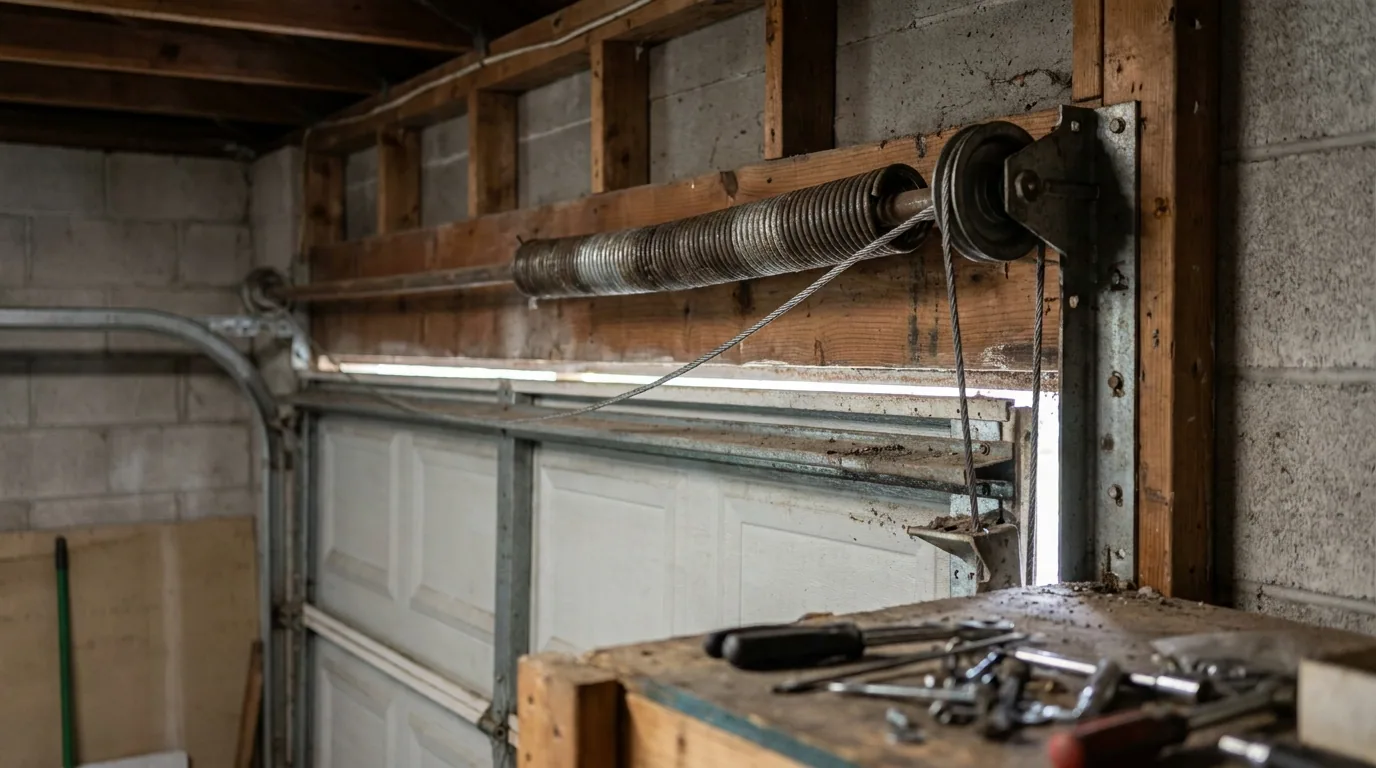
If the label is present and legible, the useful question is whether the door currently mounted matches it. Three things can break that match: a door replaced without updating the paperwork, reinforcement removed during a repair, and hardware substituted over time. A technician can verify what is mounted on the opening and whether the anchoring and reinforcement correspond to what the label requires. That verification is visual and mechanical work at the track and anchors, not something to resolve from the floor with a flashlight.
If the label is missing entirely, that is worth resolving too. It does not mean the door is unsafe, but it does mean you cannot state what the door is rated for, and neither can anyone else without assessing the assembly.
What feel tells you, and what it does not
A door that feels heavy or awkward in normal use is telling you about its weight and its balance, not about its wind rating. A heavier door carries more load on its springs and on the opener, and weight by itself says nothing about how the panels, track, and anchors are built to resist pressure. It is common to assume that a sturdier-feeling door is the safer one in a storm; the rating label is the document that answers that question, and feel is not a substitute for it. Judging balance or weight by working the door by hand is technician work, not a homeowner check.
What you can notice from normal use is a change. A door that feels heavier than it used to, sits crooked in the opening, shows a gap along the top when closed, or makes a new noise at the start of a cycle is telling you something has changed in the assembly. Any of those can have more than one cause, and sorting them out is technician work. A door that hangs at an angle, for example, may have a snapped cable, a broken spring, or a bent track, and which one it is changes what needs to be done.
What to do with the rating once you have it
Keep the label information with the house paperwork, and if the door is ever replaced or substantially repaired, confirm afterward that the documentation still describes what is installed. When you call for service, mention the rating if you know it. It helps the technician understand what the opening was built for.
For questions about what is mounted on your opening, or to arrange an assessment, CrownLift Garage Doors serves Broward County and can be reached at (877) 897-6132 or service@crownliftgarage.com. The company is licensed and insured, and emergency service is available. The address is 2350 NW 66th Ter, Hollywood FL 33024, with weekday hours of 7:00 AM to 8:00 PM and weekend hours of 8:00 AM to 6:00 PM.